


Gene K. Lee, MD, MPH
Upper Blepharoplasty in Beverly Hills
Upper blepharoplasty is upper eyelid surgery that removes excess skin, fine wrinkles, and sometimes fat from the upper eyelids to reduce hooding and heaviness. At LA MÔEM Plastic Surgery in Beverly Hills, Dr. Gene K. Lee performs upper blepharoplasty to refresh the eye area while maintaining your natural eyelid crease and eye shape.
Both aging and genetics can cause the skin above the eyes to stretch and droop,creating a tired, sad, or older appearance, even when you feel energetic. In more advanced cases, the extra skin can rest on the lashes and begin to limit peripheral vision. Upper blepharoplasty treats these issues through a carefully placed incision in the natural upper eyelid crease, allowing Dr. Lee to remove extra skin, tighten select muscles if needed, and refine fat for a smoother, more open look.
Upper blepharoplasty can be performed alone, combined with lower eyelid surgery, or integrated into a wider facial rejuvenation plan alongside procedures such as endoscopic brow lift, facelift, and neck lift.
Quick Links
Who Is a Good Candidate for Upper Eyelid Surgery?
You may be a good candidate for upper blepharoplasty if your upper eyelids show visible hooding, sagging, or skin folds that make you look more tired or older than you feel. Many patients also notice difficulty applying eye makeup, as skin folds can smudge liner or shadow and hide the natural eyelid platform.
Common reasons patients seek upper blepharoplasty include:
- Excess skin that rests on or near the upper eyelashes
- Hooded or heavy lids that obscure the upper eyelid crease
- A constantly tired, sad, or stern appearance despite feeling well
- Difficulty seeing the full shape of the eyes in photos
- Trouble with makeup placement due to skin overhang
- Visual field onstruction from advanced upper lid drooping, in some cases
Most candidates are in good overall health, do not smoke, and have a stable medical history. Upper blepharoplasty can be appropriate for both women and men and for a wide age range. Younger patients with hereditary hooded lids may benefit just as much as older patients with age‑related changes.
During your consultation, Dr. Lee will assess your upper eyelid anatomy, brow position, skin quality, and eye symmetry. If your brows sit low or you habitually raise your eyebrows to compensate for droopy lids, he may discuss combining upper blepharoplasty with an endoscopic brow lift to achieve a balanced upper‑face result.
What Happens During Upper Eyelid Surgery?
Upper blepharoplasty at LA MÔEM Plastic Surgery is generally performed as an outpatient procedure often under local anesthesia with or without light sedation. This allows you to return home the same day, with a trusted adult to drive you.
Key steps in upper blepharoplasty include:
- Planning and marking: Careful assessment and marking of the eyelid area to ensure precise removal of tissue and symmetry between both eyes.
- Incision in the crease: An incision is made along the natural eyelid crease, minimizing visible scarring and allowing access to underlying tissues.
- Removal and reshaping of tissue: Excess skin is carefully excised to remove folds and hooding. Tiny portions of muscle can be tightened or refined if indicated. Fat may be conservatively removed or repositioned to reduce fullness or puffiness without creating a hollow look.
- Precise closure: The incision is meticulously closed using fine sutures to promote optimal healing and minimal scarring.
Because upper eyelid function and eye protection are critical, Dr. Lee’s technique focuses on removing just enough tissue to create a refreshed appearance while continuing normal eyelid closure and blink mechanics.
What Concerns Can Upper Blepharoplasty Improve?
Upper blepharoplasty addresses structural issues in the upper eyelid that topical treatments or injectables cannot correct. While neuromodulators and skin treatments can soften fine lines and lift the brows slightly, they cannot remove significant excess skin.
Upper eyelid surgery is especially effective for:
- Hooded upper lids that cover the natural crease
- Skin that rests on the eyelashed when the eyes are open
- Redundant folds that create a “curtain” of skin
- Upper eyelid puffiness related to fat protrusion
- Asymmetry between the left and right upper lids
- Functional visual field issues when lid tissue blocks part of the upper or outer visual field
Many patients report that friends and colleagues notice they look more rested or approachable after upper blepharoplasty, rather than assuming they have had surgery. The goal is a subtle but significant change.
How Does Upper Blepharoplasty Compare to Brow Lift or Full Eyelid Surgery?
Upper blepharoplasty focuses strictly on the upper eyelids. A brow lift addresses eyebrow position and forehead descent. Full eyelid surgery (upper and lower) treats both upper hooding and lower‑lid bags or wrinkles.
You might benefit most from:
- Upper blepharoplasty alone if your primary concern is excess upper eyelid skin or heaviness
- Upper blepharoplasty plus brow lift if your brows have sagged over time and play a major role to the hooded appearance
- Combined upper and lower blepharoplasty if you also have lower‑lid bags or hollowing
At LA MÔEM, Dr. Lee frequently combines upper eyelid surgery with an endoscopic brow lift to harmonize the upper third of the face, or with other facial procedures, such as a facelift and neck lift, when appropriate. He will walk you through which targeted combination best matches your anatomy and goals, instead of suggesting more surgery than you need.
What Is Recovery Like After Upper Blepharoplasty?
After upper blepharoplasty, it is normal to experience swelling, bruising, mild soreness, and a feeling of eyelid tightness. Vision can be slightly blurry at times from eye ointments or temporary dryness, but this generally improves quickly.
In the first week, patients are usually advised to:
- Keep the head elevated, even while sleeping.
- Use cold compresses as directed to reduce swelling.
- Avoid heavy lifting, strenuous exercise, and bending over.
- Keep the incision area clean, and follow instructions for ointments or drops.
- Limit screen time and reading if the eyes feel strained.
Sutures are typically removed or dissolve within about a week, depending on the technique and materials used. Many patients feel comfortable returning to work and socializing in 7 to 10 days, often with some makeup and sunglasses to camouflage early bruising if allowed by Dr. Lee.
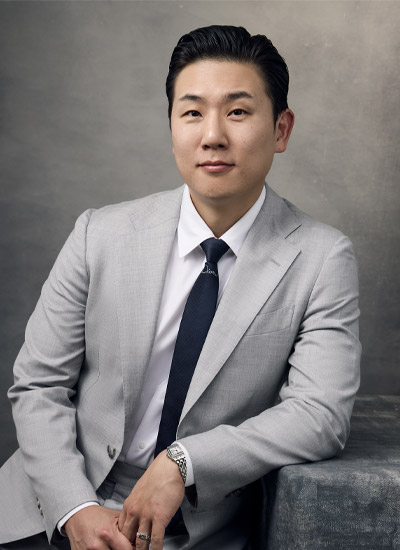
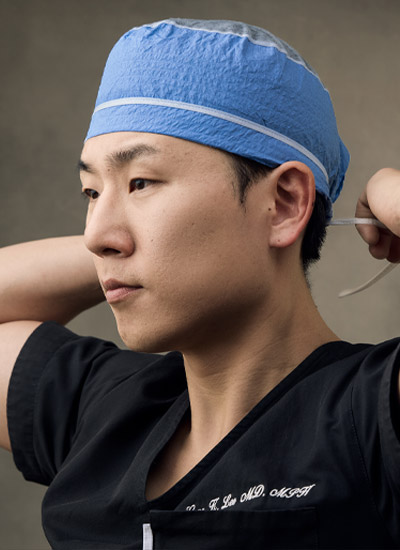
Meet Gene K. Lee MD, MPH, FACS
Board-Certified Plastic Surgeon
At LA MÔEM Plastic Surgery, Dr. Gene K. Lee combines advanced surgical training with a thoughtful, ethical approach to aesthetic care. Known for his natural-looking results and deep respect for each patient’s unique goals and cultural identity, Dr. Lee creates personalized treatment plans focused on safety, integrity, and long-term satisfaction. When you choose Dr. Lee, you’re choosing a surgeon who values your trust and is dedicated to helping you look and feel your best—authentically.





How Long Until the Final Upper Eyelid Results Are Visible?
Most swelling and bruising improve significantly within two weeks, with persistent refinement over the next several weeks. The scar in the eyelid crease usually softens and fades gradually, and because of its location, it is generally well‑hidden when the eyes are open.
While you will see a noticeable difference fairly early, upper eyelids can continue to settle and refine for several months. Dr. Lee will schedule follow‑up visits to track healing and answer any questions during this period.
What Results Can You Expect From Upper Blepharoplasty?
The expected result of upper blepharoplasty at LA MÔEM is a more open, rested, and youthful appearance around the eyes that still looks like you. Rather than dramatically changing eye shape, Dr. Lee’s goal is to reveal your natural eyelid contour by removing the excess tissue that is hiding it.
Benefits of a well‑planned upper blepharoplasty can include:
- Brighter, less heavy‑looking eyes
- Greater visibility of the upper eyelid crease
- Smoother upper lid contour and reduced folds
- A more alert, refreshed facial expression
- Improved ease of applying eyeliner and eyeshadow
- In select cases, improved peripheral vision
Because the procedure addresses actual excess skin and, when necessary, fat, results are typically long‑lasting. Natural aging continues, but most patients maintain a more youthful upper eyelid contour for many years after surgery.
Why Choose LA MÔEM Plastic Surgery and Dr. Gene K. Lee for Upper Blepharoplasty?
LA MÔEM Plastic Surgery is a boutique Beverly Hills practice led by Dr. Gene K. Lee, a board‑certified plastic and reconstructive surgeon with focused experience in facial rejuvenation. His interests include eyelid surgery, brow lift, facelift, neck lift, and other procedures designed to refresh the face with balance and subtlety.
Key reasons patients choose Dr. Lee for upper blepharoplasty include:
- Precision with delicate eyelid anatomy – protecting eyelid function while refining aesthetics
- Conservative, natural‑first approach – removing just enough tissue for significant change without a hollowed or “surprised” look
- Personalized planning – evaluating brow position, bone structure, and overall facial proportions toward a cohesive result
- Comprehensive facial expertise – offering eyelid surgery as part of a full facial rejuvenation portfolio
To learn more about Dr. Lee and the practice philosophy, visit Facial Plastic Surgery Procedures, Eyelid Surgery, About LA MÔEM Plastic Surgery, Dr. Gene K. Lee’s profile, or contact us directly.
Upper Blepharoplasty in Beverly Hills FAQs
Will upper blepharoplasty change my eye shape?
Upper blepharoplasty is designed to uncover and refine your natural eye shape, not to make you look like someone else. When carefully planned around your existing creases and anatomy, it should make your eyes look more open and rested while preserving your inherent features.
Can upper blepharoplasty improve my vision?
If excess upper eyelid skin is blocking part of your field of vision, upper blepharoplasty may improve peripheral or upward vision by clearing the overhanging tissue. A formal visual field test may be recommended when functional improvement is a goal.
How long do upper blepharoplasty results last?
Results are generally long‑lasting because the surgery removes extra skin and refines tissue that will not grow back. You will continue to age naturally, but most patients enjoy their improved upper eyelid contour for many years. Good skincare and sun protection help support long‑term results.
Is upper blepharoplasty painful?
Most patients describe upper blepharoplasty as mildly to moderately uncomfortable rather than very painful. Soreness, tightness, and a pulling sensation are common in the early days. Oral pain medication, cold compresses, and following postoperative instructions usually keep discomfort manageable.
When can I wear makeup and contact lenses again?
Light eye makeup is frequently permitted after the incision has healed and sutures are removed, usually around 1 to 2 weeks, depending on healing and Dr. Lee’s guidance. Contact lenses may also be resumed once swelling has gone down and the eyes feel comfortable, typically after a short recovery period.
Can upper blepharoplasty be combined with non surgical treatments?
Yes. Many patients boost surgical results with non‑surgical options, such as neuromodulators for frown lines or crow’s feet or skin‑quality treatments around the eyes. Dr. Lee may coordinate timing to optimize healing and results.
How do I schedule an upper blepharoplasty consultation?
You can request a consultation with Dr. Gene K. Lee for upper blepharoplasty by contacting LA MÔEM Plastic Surgery through the contact page or by phone. During your visit, you will review your concerns, have your eyelids and brow position evaluated, and receive a tailored recommendation.