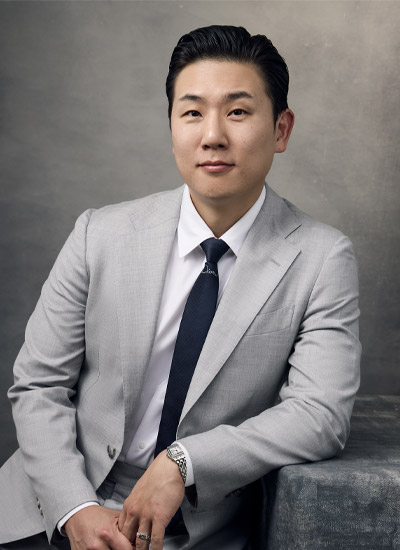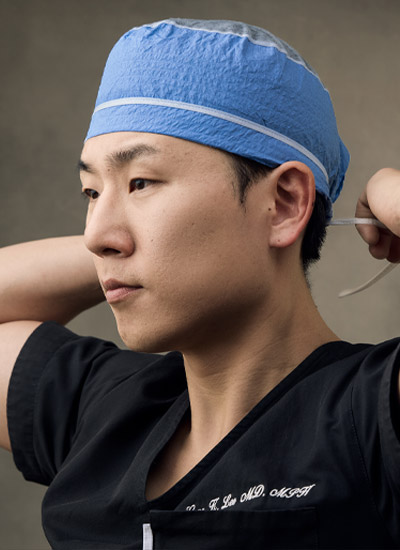



Gene K. Lee, MD, MPH
CO2 Laser Skin Resurfacing in Beverly Hills, CA
Years of sun exposure, natural aging, acne, and changes in collagen can leave one’s complexion looking uneven, rough, or more lined than it once did. CO2 laser skin resurfacing is an advanced treatment designed to improve these concerns by removing damaged outer layers of skin while stimulating renewal beneath the surface.
At LA MÔEM Plastic Surgery in Beverly Hills, board-certified plastic surgeon Gene K. Lee, MD, MPH uses CO2 laser resurfacing to address concerns such as sun damage, fine lines, uneven texture, and acne scarring. Treatment is customized according to your skin, the concerns being addressed, and the degree of resurfacing needed to produce meaningful improvement without taking an unnecessarily aggressive approach.
CO2 laser treatment can be performed on its own or incorporated into a broader facial rejuvenation plan when both the skin and deeper facial structures have changed with age.
Continue reading to learn more about CO2 laser skin resurfacing in Beverly Hills with Dr. Gene K. Lee, or contact us online today to schedule your consultation. We are located in Beverly Hills and proudly welcome patients from the Inland Empire, San Fernando Valley, Downtown Los Angeles, Pasadena, and the greater Los Angeles area.
Quick Links
What Is CO2 Laser Skin Resurfacing?
CO2 laser resurfacing is a skin rejuvenation treatment that uses concentrated carbon dioxide laser energy to precisely remove damaged outer layers of skin while delivering controlled heat into deeper tissue.
As the treated skin heals, new skin replaces the damaged surface and collagen remodeling occurs beneath it. This process can create a smoother texture, soften visible lines and scars, and improve the overall quality of the complexion.
CO2 lasers have been used in skin resurfacing for many years, but modern technology allows for significantly greater precision and control. Treatment can be customized according to the condition of the skin, the depth of the concern being treated, and how much recovery is appropriate for the patient.
Unlike treatments that simply add volume or temporarily relax facial muscles, CO2 resurfacing is focused on skin quality itself.
This makes it particularly useful for patients who feel that their skin looks weathered, rough, uneven, or lined even when the underlying facial contours remain relatively youthful.
What Can CO2 Laser Resurfacing Address?
CO2 laser resurfacing can improve several concerns that develop as the skin experiences aging, sun exposure, environmental damage, and previous acne.
Dr. Lee may recommend CO2 laser treatment for concerns such as:
- Fine lines and wrinkles
- Sun-damaged skin
- Uneven or rough skin texture
- Acne scars
- Certain other superficial scars
- Uneven pigmentation associated with photodamage
- Dull or weathered-looking skin
- Changes in skin quality associated with aging
- Fine lines around the mouth
- Fine lines in appropriate areas around the eyes
- The amount of improvement possible depends on the type and severity of the concern.
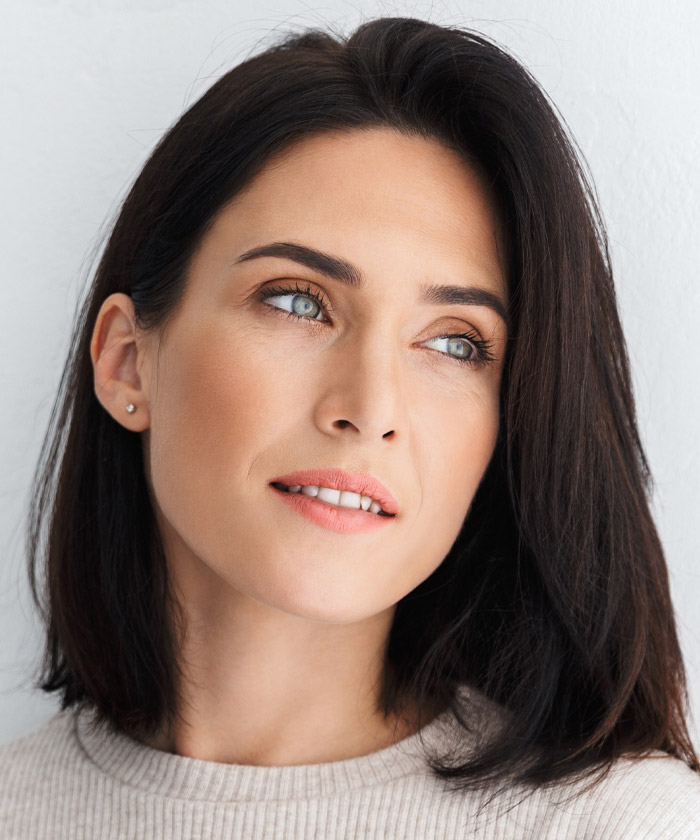
For example, superficial texture irregularities are different from deep acne scars, and fine lines caused by declining skin quality are different from folds created by significant facial laxity. Dr. Lee evaluates these distinctions before determining whether CO2 laser resurfacing is the appropriate treatment.
Laser resurfacing can create substantial improvement in the right patient, but it is not designed to correct every sign of facial aging.
How Does CO2 Laser Skin Resurfacing Work?
The skin is composed of several layers, and many visible signs of aging and environmental damage involve changes both at the surface and within the supporting dermal tissue.
CO2 laser resurfacing addresses both.
During treatment, controlled laser energy removes damaged skin cells from the surface with a high degree of precision. At the same time, heat delivered into the underlying dermis stimulates a healing response and encourages the development and remodeling of collagen.
Over time, this combination of resurfacing and collagen renewal can improve skin texture and make fine lines, irregularities, and certain scars less noticeable.
The depth and intensity of treatment are not identical for every patient.
A patient looking to improve relatively modest texture concerns may require a different treatment plan than someone with significant sun damage or acne scarring. Dr. Lee evaluates the skin carefully and selects treatment parameters according to the degree of correction required.
This ability to customize treatment is particularly important with CO2 resurfacing because stronger treatment can create more significant improvement but also requires a more involved recovery.
Who Is a Good Candidate for CO2 Laser Resurfacing?
CO2 laser resurfacing may be appropriate for adults who want more significant improvement in skin texture and quality than they are likely to achieve with very superficial treatments.
You may be a candidate if you are concerned about:
- Fine lines and wrinkles
- Sun damage
- Rough or uneven texture
- Acne scarring
- Visible signs of photodamage
- Skin that looks dull or aged
- Texture concerns that have not adequately responded to less intensive treatments
Good candidates should also be generally healthy, understand the recovery involved, and be willing to follow detailed instructions regarding wound care and sun protection.
However, CO2 laser resurfacing is not appropriate for every skin type or every facial concern.
Skin tone, pigmentation history, active skin conditions, medications, tendency toward abnormal scarring, history of cold sores, sun exposure, and other medical factors can influence whether resurfacing is safe and appropriate.
Patients who are prone to pigment changes require particularly careful evaluation because laser resurfacing can sometimes cause areas of skin to become darker or lighter during healing.
Dr. Lee will examine your skin and discuss your medical history before recommending treatment. In some cases, another option available through LA MÔEM’s non-surgical treatments may provide a safer or more appropriate way to address your concerns.
What CO2 Laser Resurfacing Cannot Do
One of the most important parts of facial rejuvenation is matching the treatment to the correct layer of the face.
CO2 laser resurfacing improves the skin. It does not reposition deeper facial tissues.
For this reason, laser treatment cannot replace a facelift when the primary issue is significant sagging, jowling, descended facial tissues, or loose skin. It also does not replace lost facial volume in the way that dermal fillers or fat grafting can.
This distinction becomes particularly important as facial aging progresses.
A patient may have excellent facial contours but considerable sun damage and fine wrinkling. In that situation, resurfacing may be exactly what is needed.
Another patient may have relatively healthy skin but substantial jowling and tissue descent. Resurfacing the skin alone would not adequately address those concerns.
Many patients have some combination of both.
Dr. Lee evaluates the quality of the skin as well as the position and volume of the underlying facial tissues so that each component of aging can be treated appropriately.
What to Expect from CO2 Laser Resurfacing with Dr. Gene K. Lee
Your treatment begins with a detailed skin evaluation.
Dr. Lee will ask what bothers you about your complexion and what degree of improvement you hope to achieve. He will then examine your skin quality, texture, pigmentation, scars, fine lines, sun damage, and other concerns.
Your medical history is also important. Certain medications, previous skin treatments, active infections, history of cold sores, abnormal scarring, and other factors may affect how laser resurfacing should be approached.
Dr. Lee will also consider your natural skin tone and tendency toward pigmentation changes when determining whether CO2 laser treatment is appropriate.
Once your candidacy has been established, he will explain:
- Which areas should be treated
- The depth and intensity appropriate for your concerns
- How your skin should be prepared beforehand, if necessary
- What type of anesthesia or comfort measures will be used
- What your skin is likely to look and feel like immediately afterward
- How long the initial recovery may take
- When you can resume skincare, makeup, work, exercise, and other activities
- What degree of improvement you can realistically expect
- More aggressive is not automatically better.
Dr. Lee’s treatment plan is designed around obtaining meaningful improvement while respecting the characteristics of your individual skin.
Can CO2 Laser Resurfacing Be Combined with a Facelift?
Yes. In appropriately selected patients, Dr. Lee may incorporate CO2 laser resurfacing into a more comprehensive facial rejuvenation plan.
A facelift and CO2 laser address different components of facial aging.
Facelift surgery can reposition deeper facial tissues and improve concerns such as jowling, lower facial laxity, and descended facial structures. However, lifting those tissues does not necessarily correct fine surface wrinkles, sun damage, acne scars, or poor skin texture.
For patients who have both structural aging and changes in skin quality, Dr. Lee may recommend combining resurfacing with facelift surgery so that the different layers of facial aging are addressed together.
This does not mean that every facelift patient needs laser resurfacing. Some patients have excellent skin quality and require only structural rejuvenation, while others may benefit significantly from improving both the facial contours and the skin covering them.
Dr. Lee determines whether combination treatment is appropriate based on your anatomy, skin, healing considerations, and overall treatment plan.
How Does CO2 Laser Compare with Other Skin Treatments?
LA MÔEM Plastic Surgery offers several non-surgical treatments for improving the appearance and quality of the skin. The right choice depends on how deeply the concern extends and how much recovery you are willing to undergo.
CO2 Laser Resurfacing
CO2 laser treatment is designed for more significant resurfacing. It can improve sun damage, fine lines, texture, and certain acne scars by removing damaged surface skin and stimulating collagen remodeling beneath it. Because it creates a more intensive skin-renewal response, recovery is generally more involved than with lighter treatments.
Chemical Peels
Chemical peels exfoliate damaged surface cells using a carefully selected chemical solution. The depth of a peel can vary considerably, allowing treatment to range from relatively light rejuvenation to more substantial resurfacing.
RF Microneedling
RF microneedling combines controlled microneedling with radiofrequency energy to stimulate collagen within deeper layers of the skin. Dr. Lee may recommend it for concerns such as texture, scars, fine lines, or mild skin laxity depending on the patient’s needs.
During your consultation, Dr. Lee considers what you want to improve, the condition of your skin, how much correction is needed, your skin tone, and your tolerance for downtime before recommending one treatment over another.
Why Choose Dr. Gene K. Lee for CO2 Laser Resurfacing in Beverly Hills, CA?
Laser technology is only one part of a successful resurfacing treatment. Equally important is the judgment of the physician determining where, how deeply, and how aggressively the skin should be treated.
Dr. Gene K. Lee is a board-certified Plastic and Reconstructive Surgeon who completed residencies in both General Surgery and Plastic and Reconstructive Surgery at the University of Southern California.
His practice emphasizes facial rejuvenation and a detailed understanding of the relationship between skin quality, facial volume, and deeper anatomy.
This broader perspective is particularly valuable when deciding whether CO2 resurfacing is actually the right procedure.
A fine line may result from skin damage, facial movement, volume loss, or tissue descent. Treating every line with the same technology does not necessarily create a natural result.
Dr. Lee evaluates the face as a whole and recommends laser resurfacing when improving the skin will meaningfully contribute to the patient’s overall appearance. When another treatment (or a combination of treatments) would be more appropriate, he can explain those options as well.
At LA MÔEM Plastic Surgery, the focus remains on thoughtful treatment rather than treatment for its own sake.
What Is CO2 Laser Recovery Like?
CO2 laser resurfacing creates a controlled injury to the skin, so recovery is a meaningful part of the treatment.
Immediately afterward, the treated skin may look very red and feel warm, swollen, sensitive, or similar to a significant sunburn. Depending on the depth of treatment, there may also be peeling, crusting, or drainage as the damaged surface layers heal.
Dr. Lee will provide specific instructions for keeping the treated skin clean, moisturized, and protected during this period.
Early healing commonly takes approximately one to two weeks, although this can vary depending on the depth and extent of resurfacing. The skin may remain pink or red after the initial surface healing is complete.
Patients should expect their appearance to evolve gradually rather than assuming that the skin will look completely normal as soon as the first stage of healing has finished.
Sun protection is especially important following resurfacing because newly treated skin is more sensitive to ultraviolet exposure and pigmentation changes.
You should also avoid picking, peeling, or aggressively exfoliating healing skin. Allowing the surface to recover naturally helps reduce the risk of unwanted scarring or pigmentation.
Dr. Lee will let you know when it is appropriate to resume makeup, your regular skincare products, exercise, and other activities.
When Will I See CO2 Laser Results?
The earliest improvement becomes noticeable as the treated surface heals and new skin emerges.
Initially, however, redness and swelling can make it difficult to judge the final result.
As these effects decrease, the skin generally begins to look smoother, clearer, and more even. Collagen remodeling continues beneath the surface after the visible recovery period has passed, so the quality of the skin may continue improving over the following months.
Patients may notice improvement in:
- Overall skin texture
- Fine lines
- Acne scarring
- Sun-damaged appearance
- Skin smoothness
- Tone and clarity
Results vary according to the condition being treated and the depth of treatment.
CO2 resurfacing also does not stop the aging process. New sun exposure, natural collagen changes, facial movement, and time will continue to affect the skin.
Consistent sun protection and an appropriate skincare routine can help preserve the improvement achieved with treatment.
Schedule Your Beverly Hills CO2 Laser Treatment with Dr. Gene K. Lee
When skin texture, sun damage, fine lines, or acne scars remain visible despite a good skincare routine, CO2 laser resurfacing can provide a more intensive approach to renewal.
The key is choosing the appropriate treatment depth for your skin rather than assuming that every patient needs the same level of resurfacing.
At LA MÔEM Plastic Surgery, Dr. Gene K. Lee evaluates both the quality of your skin and the deeper anatomy of your face before recommending treatment. Whether CO2 laser resurfacing is performed on its own or incorporated into a broader facial rejuvenation plan, his approach is centered on careful treatment selection, safety, and results that look refreshed rather than overtreated.
To schedule your CO2 laser consultation in Beverly Hills, call LA MÔEM Plastic Surgery at (310) 919-0777 or complete our online contact form.
We proudly welcome patients from Beverly Hills, Los Angeles, Pasadena, Downtown Los Angeles, the San Fernando Valley, the Inland Empire, and surrounding communities.
CO2 Laser FAQs
Is CO2 laser resurfacing painful?
CO2 resurfacing can cause significant heat and discomfort if performed without appropriate anesthesia. The treatment area is numbed, and additional anesthesia or sedation may be considered depending on how extensively the skin is being resurfaced. Dr. Lee will explain the comfort measures recommended for your specific procedure.
How much downtime should I expect after a CO2 laser?
The initial healing period is commonly around one to two weeks, although downtime depends heavily on treatment intensity. Redness can remain after the surface has healed and may gradually fade over a longer period.
Is CO2 laser resurfacing the same as a facial?
No. CO2 resurfacing creates a controlled injury to damaged skin and stimulates a substantial healing response. It requires considerably more preparation, aftercare, and recovery than routine facials or superficial skincare treatments.
Can a CO2 laser remove acne scars completely?
CO2 resurfacing can make certain acne scars less noticeable, but it cannot guarantee complete removal. Acne scars vary considerably in their depth and shape, and some patients may benefit from combining resurfacing with other treatments.
Does CO2 laser help with wrinkles?
CO2 resurfacing can soften fine lines and wrinkles associated with aging and sun-damaged skin. It is less appropriate for deep folds or wrinkles primarily caused by significant tissue descent, which may require a different approach.
Can CO2 laser treatment tighten loose skin?
Collagen remodeling after laser resurfacing may create some improvement in skin firmness. However, CO2 laser treatment is not a substitute for facelift or neck lift surgery when significant loose skin or deeper tissue sagging is present.
Is CO2 laser resurfacing safe for darker skin tones?
Skin tone is an important consideration because laser resurfacing can cause temporary or persistent changes in pigmentation. Patients with a greater tendency toward hyperpigmentation require careful evaluation. Dr. Lee will assess your skin individually and may recommend another resurfacing option if CO2 treatment presents an unnecessary risk.
Can CO2 laser resurfacing be performed around the eyes?
CO2 laser resurfacing may be used in carefully selected areas around the eyes to improve fine lines and skin quality. Because the skin is thin and the eyes themselves require appropriate protection, treatment in this area must be planned and performed with particular precision.
Can CO2 laser be combined with other cosmetic procedures?
Yes. Depending on your goals, Dr. Lee may recommend CO2 laser treatment as part of a broader facial rejuvenation plan. His current facelift approach, for example, may incorporate laser resurfacing when a patient has both structural aging and concerns such as sun damage, fine wrinkles, or acne scarring.
How many CO2 laser treatments will I need?
The appropriate number of treatments depends on your skin, the concern being treated, and the intensity of each session. A more substantial resurfacing treatment may produce meaningful improvement in a single session, while other patients may benefit from a staged approach. Dr. Lee will recommend a plan after examining your skin.
How long do CO2 laser results last?
Improvements in skin quality can be long-lasting, particularly when patients protect their skin from excessive sun exposure and maintain an appropriate skincare routine. However, treatment cannot stop future aging, collagen loss, or new sun damage.
When can I wear makeup after CO2 laser resurfacing?
Makeup should not be applied while the skin surface is still healing. Dr. Lee will examine your progress and let you know when the skin has healed enough to safely resume cosmetics and other skincare products.
Meet Gene K. Lee MD, MPH
Board-Certified Plastic Surgeon
At LA MÔEM Plastic Surgery, Dr. Gene K. Lee combines advanced surgical training with a thoughtful, ethical approach to aesthetic care. Known for his natural-looking results and deep respect for each patient’s unique goals and cultural identity, Dr. Lee creates personalized treatment plans focused on safety, integrity, and long-term satisfaction. When you choose Dr. Lee, you’re choosing a surgeon who values your trust and is dedicated to helping you look and feel your best—authentically.