



Gene K. Lee, MD, MPH
Panniculectomy After Massive Weight Loss in Beverly Hills, CA
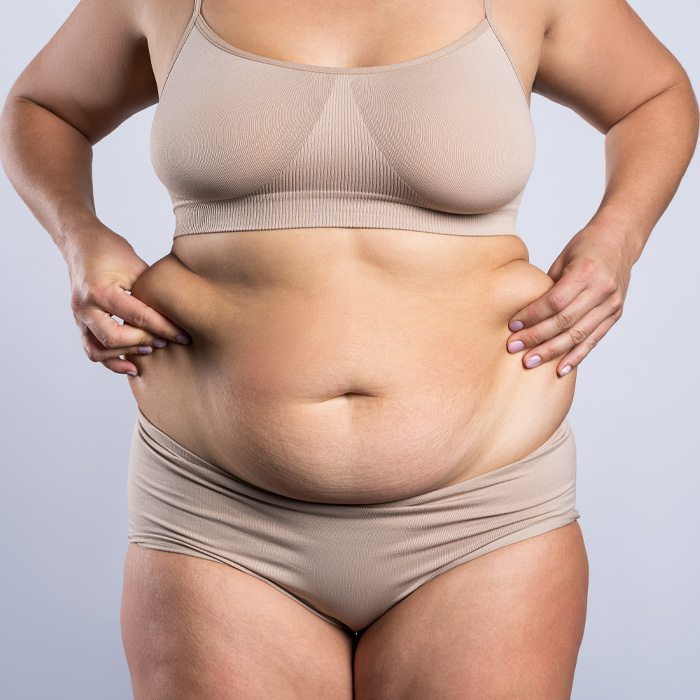
Losing a significant amount of weight can transform your health and mobility, but skin doesn’t always shrink with the body. After major weight loss, some patients are left with a heavy fold of loose skin and residual fatty tissue that hangs over the lower abdomen. This overhanging tissue, known as a pannus, can affect comfort, movement, hygiene, clothing, and the way the abdomen feels after an otherwise successful weight-loss journey.
A panniculectomy removes this hanging apron of skin and fat from the lower abdomen. Unlike a traditional tummy tuck, the primary purpose is not to tighten the abdominal muscles or create a cosmetic waistline. Instead, the procedure focuses on removing redundant tissue that may interfere with everyday function or remain despite substantial weight loss.
At LA MÔEM Plastic Surgery in Beverly Hills, board-certified Plastic and Reconstructive Surgeon Gene K. Lee, MD, MPH evaluates the amount and location of excess skin, previous abdominal scars, overall abdominal contour, weight stability, and your functional and aesthetic concerns before developing a treatment plan.
Continue reading to learn more about panniculectomy after massive weight loss in Beverly Hills with Dr. Gene K. Lee, or contact us online today to schedule your consultation. We are located in Beverly Hills and proudly welcome patients from the Inland Empire, San Fernando Valley, Downtown Los Angeles, Pasadena, and the greater Los Angeles area.
Quick Links
- Can Panniculectomy Be Combined With Other Procedures?
- What Will My Scar Look Like After Panniculectomy?
- Why Choose Dr. Gene K. Lee for Panniculectomy in Beverly Hills, CA?
- What to Expect During Your Panniculectomy Consultation
- What Is Recovery Like After Panniculectomy?
- How Long Do Panniculectomy Results Last?
- FAQs
What Is a Panniculectomy?
A panniculectomy is a surgical procedure that removes excessive, hanging skin and subcutaneous fat from the lower abdomen.
The term pannus refers to the fold or “apron” of tissue that can extend downward over the pubic region and, in more advanced cases, farther onto the upper thighs. This tissue may develop after massive weight loss, bariatric surgery, pregnancy, aging, or long-standing changes in body weight.
During a panniculectomy, Dr. Lee removes the redundant lower abdominal tissue so that the remaining skin can be closed in a more functional position.
The operation differs from many cosmetic procedures because the concern is often more than appearance alone. A large pannus can become physically heavy and cumbersome, rub against surrounding skin, interfere with exercise or walking, and create a warm, moist environment where recurrent irritation can occur.
Panniculectomy is also different from liposuction. Liposculpting removes localized fat through small cannulas but cannot eliminate a large fold of stretched, hanging skin. Once significant skin redundancy has developed after major weight loss, surgical excision is usually required to physically remove it.
Why Does Excess Skin Remain After Massive Weight Loss?
Skin contains elastic fibers that allow it to stretch and contract as the body changes.
When weight gain occurs gradually or the abdomen becomes significantly enlarged, the skin can remain stretched for a prolonged period. After substantial weight loss, those tissues do not always have enough elasticity to shrink completely around the body’s smaller shape.
Several factors influence how much loose skin develops, including:
- The total amount of weight lost
- How long the skin remained stretched
- Age
- Genetics
- Skin quality and elasticity
- Previous pregnancies
- Smoking history
- Sun exposure
- Previous abdominal surgery
- Where the body originally stored excess weight
Patients who lose large amounts of weight after bariatric surgery may experience particularly significant skin redundancy because the change in body volume can be dramatic. The same issue can also occur after medically supervised weight loss, lifestyle changes, or weight-loss medications.
Exercise can strengthen the abdominal muscles and improve overall fitness, but it cannot contract a large amount of permanently stretched skin.
This is why a patient may reach a healthy, stable weight and still have a substantial abdominal fold despite diet, exercise, and significant progress in every other aspect of their weight-loss journey.
What Problems Can an Abdominal Pannus Cause?
Patients may experience:
- Recurrent redness beneath the abdominal fold
- Chafing and friction
- Persistent moisture
- Skin irritation or breakdown
- Recurring rashes
- Difficulty keeping the area clean and dry
- Discomfort during walking or exercise
- Pulling or heaviness from the abdominal tissue
- Difficulty finding properly fitting clothing
- Interference with physical activity
- Difficulty seeing or accessing the lower abdominal or pubic area for hygiene
- Emotional frustration after otherwise successful weight loss
For patients who have lost a significant amount of weight, the pannus can also feel like a physical reminder of the body they worked hard to change.
Removing the tissue may improve the abdominal contour, but for patients with a particularly large pannus, improvements in movement, hygiene, and comfort can be equally meaningful.
Who Is a Good Candidate for Panniculectomy?
Panniculectomy is generally most appropriate once a patient’s weight has stabilized.
Continuing to lose a substantial amount of weight after surgery can create additional loose skin and alter the result, while significant weight gain can stretch the remaining tissues again.
You may be a candidate if:
- You have a substantial fold of loose lower abdominal skin and fat
- You have experienced massive or significant weight loss
- Your weight is stable
- Loose skin interferes with exercise, walking, hygiene, or clothing
- You experience recurrent irritation or rashes beneath the pannus
- The tissue remains despite diet, exercise, and weight loss
- You are in good overall health
- You do not smoke or are willing to stop as directed before and after surgery
- You have realistic expectations about scars and abdominal contour
- You understand that panniculectomy is not a weight-loss procedure
- Patients who have undergone bariatric surgery also require careful nutritional evaluation.
Major weight loss and some bariatric procedures can affect protein, iron, vitamin, and mineral levels. Adequate nutrition is essential for wound healing, particularly when a relatively long abdominal incision is required.
Dr. Lee will review your health, weight history, medications, previous surgeries, and overall readiness for surgery before determining whether the timing is appropriate.
How Is Panniculectomy Performed?
The extent of surgery depends on how much tissue needs to be removed and how far the pannus extends across the abdomen.
Panniculectomy is generally performed under general anesthesia.
Dr. Lee creates a horizontal incision across the lower abdomen. The precise length varies according to the amount and distribution of excess tissue and may extend toward the hips in patients with more extensive skin redundancy.
The hanging skin and underlying fatty tissue are carefully separated and removed, and the remaining abdominal skin is then brought downward and closed along the lower abdominal incision. In more extensive cases, the belly button may need to be repositioned or otherwise addressed depending on the amount and location of skin being removed.
Some patients with substantial horizontal and vertical skin excess may require a more complex incision pattern, potentially including a vertical component through the center of the abdomen.
This is determined by anatomy rather than preference alone. Drains may be temporarily placed beneath the skin to prevent fluid from accumulating during the early stages of healing.
Throughout the operation, Dr. Lee considers not only how much tissue needs to be removed but also the tension on the closure, blood supply to the remaining skin, previous scars, and how the tissues will heal.
Panniculectomy vs. Tummy Tuck: What Is the Difference?
Panniculectomy and tummy tuck surgery both remove excess abdominal skin, but they are not interchangeable procedures.
Panniculectomy
A panniculectomy focuses on removing the hanging pannus of skin and fat from the lower abdomen.
The primary purpose may be functional, reconstructive, or both. The operation generally does not include the same degree of abdominal muscle tightening or cosmetic contouring performed during a standard abdominoplasty.
Tummy Tuck
Dr. Lee’s tummy tuck, or abdominoplasty, is a broader body-contouring procedure.
A tummy tuck can address loose skin both above and below the belly button, repair separated abdominal muscles, remove redundant tissue, and create a tighter, flatter abdominal contour. Liposuction may also be incorporated to refine surrounding fat.
A patient whose primary problem is a large, functionally limiting pannus after massive weight loss may benefit from panniculectomy. Another patient may be bothered by loose skin throughout the abdomen, muscle separation, and overall contour and may be better suited to abdominoplasty.
Some post-weight-loss patients have concerns that fall somewhere between the two.
Dr. Lee examines the entire abdominal wall before recommending surgery so that the operation matches both your anatomy and your priorities.
Can Panniculectomy Be Combined with Other Procedures?
Massive weight loss rarely affects only the lower abdomen.
As body volume decreases, loose skin may develop across the torso, breasts, arms, thighs, and other areas. For some patients, panniculectomy represents one part of a larger post-weight-loss body-contouring plan.
Depending on your health and goals, Dr. Lee may discuss whether it is appropriate to combine or stage procedures.
Potentially related procedures may include:
- Tummy tuck
- Liposculpting
- Breast lift or breast reshaping
- Breast reduction
- Other skin-removal or body-contouring procedures
Combining procedures can reduce the number of separate operations a patient undergoes, but more surgery also means a longer operative time and potentially more demanding recovery.
For patients who have experienced massive weight loss, safety often favors a staged approach rather than attempting to address every area at once.
Dr. Lee considers your health, nutritional status, extent of surgery, expected blood loss, anesthesia time, and recovery demands when deciding what can reasonably be performed together.
What Will My Scar Look Like After Panniculectomy?
Removing a substantial amount of hanging skin requires a substantial incision. Patients considering panniculectomy should understand from the beginning that the operation creates a permanent scar across the lower abdomen.
The scar is generally positioned low enough to be covered by many styles of underwear and clothing, although its exact length and position depend on how much tissue must be removed. Patients with more extensive skin excess may require longer incisions.
A vertical scar may also be necessary in selected patients when loose skin extends significantly from side to side and cannot be adequately corrected with only a horizontal excision.
Initially, surgical scars can appear red, pink, firm, or raised. Over time, they typically soften and fade, although they never disappear completely.
Dr. Lee carefully plans and closes the incisions with long-term healing in mind, but scar quality also depends on genetics, skin type, tension, wound healing, smoking, sun exposure, and postoperative care.
For many massive weight-loss patients, the tradeoff between a lower abdominal scar and removing a large, physically limiting fold of skin is worthwhile.
Why Choose Dr. Gene K. Lee for Panniculectomy in Beverly Hills, CA?
Post-weight-loss surgery requires more than simply identifying extra skin.
Patients who have experienced massive weight loss may have significant changes in skin quality, fat distribution, abdominal scars, nutritional status, underlying muscle structure, and wound-healing risk.
Dr. Gene K. Lee is a board-certified Plastic and Reconstructive Surgeon who completed both General Surgery and Plastic and Reconstructive Surgery residencies at the University of Southern California.
His background gives him a detailed understanding of abdominal anatomy as well as the reconstructive principles involved in removing extensive skin and safely closing large surgical areas.
Dr. Lee’s current body-contouring practice already includes treatment of the abdominal changes that can remain after significant weight loss, including excess skin, fat, and weakened abdominal tissues.
With panniculectomy, his approach is individualized to the patient’s circumstances.
Some patients primarily want relief from a heavy, hanging abdominal fold. Others are equally concerned about contour. Some have undergone bariatric surgery, while others achieved weight loss without surgery. Previous scars, skin quality, nutritional health, and the location of excess tissue may also differ considerably.
Dr. Lee takes time to understand where you began, what has changed, and what you hope surgery will allow you to do more comfortably moving forward.
What to Expect During Your Panniculectomy Consultation
Your consultation begins with a detailed discussion of your weight-loss history and current concerns.
Dr. Lee may ask:
- How much weight you have lost
- How the weight loss was achieved
- Whether you underwent bariatric surgery
- How long your weight has remained stable
- Whether you expect to lose additional weight
- Whether you experience rashes or skin irritation
- Whether the pannus interferes with movement or exercise
- Previous abdominal surgeries
- Current medications
- Smoking or nicotine use
- Your nutritional health
- Any medical conditions that may affect healing
- Your priorities regarding function and abdominal appearance
He will then examine the abdomen to evaluate the amount of loose skin, thickness of the remaining fatty tissue, location of the pannus, abdominal scars, skin quality, belly button position, and overall contour.
If you have concerns involving abdominal muscle separation or a possible hernia, those should also be discussed during the examination.
Photographs may be taken for surgical planning and, when applicable, documentation related to insurance review.
Dr. Lee will then explain whether panniculectomy alone is likely to achieve your goals or whether another operation, such as tummy tuck surgery, would provide a more appropriate correction.
What Is Recovery Like After Panniculectomy?
Panniculectomy involves removing a significant amount of tissue, so patients should expect a meaningful recovery period. Immediately after surgery, the abdomen will feel tight, swollen, and sore.
Dressings will protect the incision, and Dr. Lee may recommend a compression garment to provide support and reduce swelling. Surgical drains may also remain temporarily beneath the skin to remove fluid that collects as the tissues heal.
During the early recovery period, Dr. Lee will provide detailed instructions regarding:
- Incision care
- Drain care
- Medications
- Showering
- Sleeping and positioning
- Walking
- Lifting restrictions
- Compression garments
- Returning to work
- Resuming exercise
Walking is encouraged early because gentle movement supports circulation, but strenuous activity must remain restricted while the abdominal incision heals.
Many patients need several weeks before returning to unrestricted daily activity, although the exact timeline depends on the extent of surgery, your occupation, and how your body heals.
Patients with physically demanding jobs generally require more time away than those performing sedentary work.
Swelling can continue for weeks or months, and the abdominal tissues gradually soften as healing progresses.
Scar maturation takes considerably longer. The incision may continue changing in color, thickness, and texture for a year or more.
How Long Do Panniculectomy Results Last?
The skin and tissue removed during panniculectomy are permanently removed. However, the remaining abdominal tissues can still change with future weight gain, weight loss, pregnancy, and aging.
Maintaining a stable weight is therefore one of the most important ways to preserve the result. Patients should also remember that panniculectomy does not stop normal changes in skin elasticity over time. The procedure is not a substitute for continued nutrition, exercise, or weight management. Rather, it addresses tissue that remains after those efforts have already produced significant change.
For patients whose weight remains stable, the improvement in the lower abdominal fold can be long-lasting.
Schedule Your Beverly Hills Panniculectomy with Dr. Gene K. Lee
To schedule your panniculectomy consultation in Beverly Hills, call LA MÔEM Plastic Surgery at (310) 919-0777 or complete our online contact form.
We proudly welcome patients from Beverly Hills, Los Angeles, Pasadena, Downtown Los Angeles, the San Fernando Valley, the Inland Empire, and surrounding communities.
Meet Gene K. Lee MD, MPH
Board-Certified Plastic Surgeon
At LA MÔEM Plastic Surgery, Dr. Gene K. Lee combines advanced surgical training with a thoughtful, ethical approach to aesthetic care. Known for his natural-looking results and deep respect for each patient’s unique goals and cultural identity, Dr. Lee creates personalized treatment plans focused on safety, integrity, and long-term satisfaction. When you choose Dr. Lee, you’re choosing a surgeon who values your trust and is dedicated to helping you look and feel your best—authentically.







Los Angeles Panniculectomy - FAQs
Is a panniculectomy only for bariatric surgery patients?
No. Many patients develop a pannus after bariatric surgery, but substantial weight loss through diet, exercise, medically supervised programs, or weight-loss medications can produce similar loose skin. Candidacy depends on your anatomy and health rather than how the weight was lost.
How much weight do I need to lose before panniculectomy?
There is no single number that applies to every patient. More important considerations include how much loose tissue remains, whether your weight has stabilized, and whether additional significant weight loss is planned.
How long should my weight be stable before surgery?
Dr. Lee evaluates weight stability individually. Patients should generally be near their long-term target and no longer experiencing major ongoing changes before surgery. If substantial additional weight loss is expected, postponing skin-removal surgery may produce a more durable result.
Can a panniculectomy help with rashes under my stomach?
Yes. A large pannus can create friction and trap moisture, contributing to recurrent irritation beneath the fold. Removing the overhanging tissue can eliminate the skin fold responsible for these problems, although any active infection or skin condition should be appropriately treated before surgery.
Does panniculectomy tighten the abdominal muscles?
Not typically. Muscle tightening is more characteristic of a tummy tuck. If you have diastasis recti or another abdominal wall concern, Dr. Lee can determine whether a different or combined operation is appropriate.
Does panniculectomy remove fat?
The removed pannus contains both skin and subcutaneous fat. However, panniculectomy is not designed as a general fat-reduction operation. Patients with additional localized fat may require a different contouring strategy.
Will panniculectomy remove stretch marks?
Stretch marks located within the skin being surgically removed will be removed with that tissue. Stretch marks that remain above or outside the excision area will still be present after surgery.
Will my belly button move during panniculectomy?
It depends on how much skin is removed and the surgical technique required. Some panniculectomies can be performed without repositioning the belly button, while more extensive procedures may require it to be addressed. Dr. Lee will explain this during surgical planning.
Can panniculectomy be combined with hernia repair?
In selected patients, abdominal skin removal and hernia repair may be considered together. Whether this is appropriate depends on the type and size of the hernia, previous operations, overall health, and complexity of the reconstruction.
Can panniculectomy be combined with liposuction?
It can be in appropriately selected patients, but combining additional contouring with extensive skin removal requires careful attention to blood supply and wound healing. Dr. Lee will determine whether liposculpting can be safely incorporated.
Will I need drains after panniculectomy?
Drains are commonly used after extensive abdominal skin removal to prevent fluid from collecting beneath the tissues. Whether drains are needed and how long they remain depends on the surgical technique and your recovery.
How much scarring should I expect?
Panniculectomy creates a long scar across the lower abdomen because the excess tissue must be surgically removed. The length depends on the amount of skin present. Scars generally fade with time but remain permanent.
Can the excess skin come back?
The removed tissue does not grow back. However, significant future weight changes can stretch the remaining skin and create new laxity. Stable weight helps preserve the result.
Is panniculectomy a weight-loss surgery?
No. Panniculectomy is performed after excess skin and tissue have developed and is not intended to produce substantial weight loss. Patients should ideally be near a stable long-term weight before surgery.
What if I have loose skin in other areas after massive weight loss?
Loose skin frequently affects more than the abdomen after major weight loss. During your consultation, Dr. Lee can evaluate other areas and discuss whether additional body-contouring procedures should be performed separately or as part of a staged surgical plan.