



Gene K. Lee, MD, MPH
Septoplasty in Beverly Hills, CA
A septoplasty is a functional nasal surgery performed to straighten a deviated nasal septum and improve airflow through the nose. When the septum (the wall of cartilage and bone separating the two nasal passages) is significantly crooked or displaced, one or both sides of the nose may become obstructed. This can make comfortable nasal breathing difficult during the day, while exercising, or while sleeping.
Gene K. Lee, MD, is a board-certified Beverly Hills plastic and reconstructive surgeon with extensive experience in the anatomy and structural function of the nose. He carefully evaluates both the internal and external nasal structures to determine what is contributing to a patient’s breathing concerns and whether septoplasty, rhinoplasty, or a combination of procedures may provide the most appropriate correction.
Continue reading to learn more about septoplasty surgery in Beverly Hills with Dr. Gene K. Lee, or contact us online today to schedule your consultation. We are located in Beverly Hills and proudly welcome patients from the Inland Empire, San Fernando Valley, Downtown Los Angeles, Pasadena, and the greater Los Angeles area.
Quick Links
What Is a Septoplasty?
Septoplasty is a surgical procedure that corrects a deviated or improperly positioned nasal septum. The septum is made of cartilage and bone and divides the inside of the nose into two separate nasal passages. Ideally, it sits relatively close to the center of the nose, allowing air to move freely through both sides.
In many people, however, the septum is displaced toward one side. Some septal deviations are present from birth, while others develop as the nose grows or occur following nasal trauma or injury. A mild deviation may cause no noticeable problems at all. A more pronounced deviation can narrow a nasal passage enough to interfere with normal airflow.
During septoplasty, Dr. Lee carefully accesses the septum from inside the nose and reshapes, repositions, or removes portions of obstructing cartilage or bone, as necessary. The remaining septal structure is then positioned to provide a straighter, more open nasal airway while preserving the support needed for normal nasal structure.
Unlike cosmetic rhinoplasty, septoplasty is primarily intended to improve nasal function rather than change the appearance of the nose.
What Concerns Can Septoplasty Address?
A deviated septum does not always require surgery. Many people have some degree of septal asymmetry without experiencing significant symptoms. Septoplasty is generally considered when the structural deviation contributes to persistent nasal obstruction or other functional problems that meaningfully affect everyday life.
Depending on your anatomy, symptoms associated with a deviated septum may include:
- Difficulty breathing through one or both nostrils
- Persistent nasal obstruction or congestion
- One nasal passage that consistently feels more blocked than the other
- Mouth breathing, particularly while sleeping
- Difficulty breathing comfortably during exercise
- Snoring or disrupted sleep related to nasal obstruction
- Recurrent irritation or dryness associated with abnormal airflow
- Breathing difficulties following a previous nasal injury
- Structural obstruction that has not adequately improved with conservative treatment

It is important to determine whether a deviated septum is actually responsible for your symptoms. Nasal obstruction can have several possible causes, including swelling of the nasal tissues, allergies, turbinate enlargement, nasal valve problems, or other structural conditions.
For this reason, Dr. Lee evaluates the nose as a complete functional system rather than assuming every breathing concern should be treated with septoplasty.
Who Is a Candidate for Septoplasty?
You may be a candidate for septoplasty if you have a deviated septum that is interfering with comfortable nasal breathing and your symptoms cannot be adequately managed through non-surgical measures.
Good candidates are generally healthy enough to undergo surgery, understand what septoplasty can and cannot accomplish, and have realistic expectations for their improvement.
Septoplasty may be appropriate if:
- You have been diagnosed with a deviated nasal septum
- Nasal obstruction interferes with everyday breathing
- You frequently breathe through your mouth because of limited nasal airflow
- Breathing problems affect exercise or sleep
- Your symptoms continue despite appropriate non-surgical treatment
- A previous injury has altered your internal nasal structure
- You require septal correction as part of a more comprehensive nasal surgery
Medications may reduce inflammation or congestion caused by allergies and other nasal conditions, but they cannot physically straighten a significantly deviated septum. When the obstruction is primarily structural, surgery may be necessary to address its underlying cause.
During your consultation, Dr. Lee will determine whether septal deviation is responsible for your symptoms and whether septoplasty is likely to provide meaningful improvement.
How Is Septoplasty Performed?
Septoplasty requires a detailed understanding of both nasal airflow and the structural support of the nose. Dr. Lee customizes the operation according to the location and severity of the septal deviation rather than performing the same correction for every patient.
For an isolated septoplasty, surgical access can typically be created through incisions placed inside the nose, which means there is generally no visible external incision.
Through these incisions, Dr. Lee carefully separates the thin lining covering the septum so that the underlying cartilage and bone can be examined. Deviated portions of the septum can then be reshaped, repositioned, or selectively removed to create a more open airway.
Preserving adequate structural support is an important part of the operation. The purpose of septoplasty is not simply to remove cartilage, but to create a straighter, functional septum while maintaining the strength and stability of the nose.
Once the correction is complete, the internal lining is repositioned, and the incisions are closed. Internal splints may be used temporarily to support the septum as the tissues begin to heal.
The details of your procedure will depend entirely on your anatomy and whether septoplasty is being performed alone or with another nasal procedure.
Septoplasty vs. Rhinoplasty: What Is the Difference?
Although septoplasty and rhinoplasty both involve the nasal structures, they are performed for different primary reasons.
Septoplasty focuses on the inside of the nose. Its primary purpose is to correct a deviated septum and improve nasal airflow.
Rhinoplasty can address the external shape, proportions, and structural appearance of the nose. It may be performed to refine concerns such as a prominent bridge, nasal hump, crooked nose, wide bridge, enlarged or poorly defined tip, or other aesthetic characteristics. Rhinoplasty can also have a functional component when external structural abnormalities contribute to breathing problems.
Some patients need only septoplasty because they are happy with the appearance of their nose and their concern is entirely functional.
Other patients have both internal obstruction and external nasal concerns. For example, previous trauma may have shifted the septum while also leaving the nose visibly crooked. In these cases, Dr. Lee may recommend addressing both function and appearance during the same operation.
Combining the procedures is commonly referred to as septorhinoplasty.
A comprehensive nasal examination allows Dr. Lee to determine whether correcting the septum alone will adequately address the problem or whether the external nasal framework also requires treatment.
Will Septoplasty Change the Shape of My Nose?
Septoplasty by itself is not intended to cosmetically reshape the nose.
The procedure focuses on structures inside the nasal passages, and many patients will not see a significant change in their external appearance following an isolated septoplasty.
However, the septum also contributes to the structural support of the nose. More complex deformities, particularly those caused by trauma or involving significant structural asymmetry, may require a broader surgical approach to correct both breathing and visible nasal alignment.
If there are aspects of your nose that you would also like to change cosmetically, be open about them during your consultation. Dr. Lee can determine whether rhinoplasty can safely and appropriately be combined with your functional septal correction.
Addressing these concerns together can also allow the internal and external framework of the nose to be evaluated as one interconnected structure.
Why Choose Dr. Gene K. Lee for Septoplasty in Beverly Hills, CA?
The nose has a relatively small physical footprint, but its internal anatomy is highly detailed. Successful nasal surgery requires an understanding of how cartilage, bone, soft tissue, and the nasal airway interact with one another.
Dr. Gene K. Lee is a board-certified Plastic and Reconstructive Surgeon who completed residencies in both General Surgery and Plastic and Reconstructive Surgery at the University of Southern California. His extensive surgical training gives him a detailed understanding of facial anatomy, structural reconstruction, and the delicate balance between form and function.
When treating the nose, Dr. Lee’s approach is meticulous and individualized. He evaluates not only the area that appears obstructed but also how the septum relates to the surrounding nasal structures. This is particularly important for patients who have experienced trauma, previous nasal surgery, or a combination of functional and aesthetic concerns.
Dr. Lee also places patient safety and education at the center of his practice. He takes time to understand what is bothering you, explain what he finds during his examination, and recommend treatment based on your actual anatomy rather than taking a one-size-fits-all approach.
The objective is a nose that functions better while maintaining the structural integrity and natural characteristics that make it uniquely yours.
What to Expect from a Beverly Hills Septoplasty with Dr. Gene K. Lee
Your septoplasty begins with a detailed consultation.
Dr. Lee will ask about your breathing concerns, when you notice them, whether one or both sides of the nose feel obstructed, and whether your symptoms change during exercise, sleep, allergy seasons, or other circumstances. A history of nasal injuries or previous surgery will also be important.
He will then examine the nose internally and externally to evaluate the position of the septum and look for additional anatomical factors that may be contributing to reduced airflow.
Not everyone who experiences nasal congestion needs septoplasty. Dr. Lee’s examination helps distinguish structural obstruction caused by the septum from symptoms that may have another source.
Once he has evaluated your anatomy, you and Dr. Lee will discuss your treatment options. If septoplasty is appropriate, he will explain the surgical approach, anesthesia, recovery, expected improvement, and any other procedures that may be recommended.
If you also have cosmetic concerns about your nose, this is the appropriate time to discuss them. Septoplasty and rhinoplasty have different objectives, and Dr. Lee can explain whether treating them separately or together makes the most sense for you.
What Is Septoplasty Recovery Like?
Septoplasty is generally performed as an outpatient procedure, allowing patients to return home after surgery once they have sufficiently recovered from anesthesia.
Immediately afterward, the nose will feel congested and swollen. This is expected and does not mean that the procedure has failed to improve the airway. In fact, breathing may initially feel more restricted while the internal tissues are swollen.
Internal splints may be placed to support the septum during early healing. Dr. Lee will provide detailed postoperative instructions explaining how to care for the nose, which medications to take, how to manage swelling, and when to return for follow-up.
You will need to avoid blowing your nose and should keep strenuous exercise, heavy lifting, and activities that could place pressure on the nose on hold until Dr. Lee clears you to resume them.
Many patients can return to work and other light daily activities relatively early in the healing process, although your individual timeline will depend on the extent of surgery and the type of work you perform.
Swelling and congestion gradually improve over the following weeks. As the internal tissues settle, patients can begin to appreciate the functional improvement created by the straighter nasal airway.
Healing inside the nose continues for several months, so the final benefit of septoplasty is not always apparent immediately after surgery. Dr. Lee will monitor your progress during follow-up appointments and let you know when it is safe to return to unrestricted activity.
What Results Can I Expect From Septoplasty?
The purpose of septoplasty is to improve airflow by correcting a structural obstruction caused by the nasal septum.
For appropriately selected patients, straightening the septum can make it easier to breathe through the nose and reduce symptoms associated with significant septal obstruction.
Results vary because nasal breathing depends on more than the septum alone. Allergies, internal swelling, nasal valve anatomy, turbinates, scar tissue, and other structural factors can all influence airflow.
This is why a careful examination before surgery matters. Dr. Lee works to identify the anatomy responsible for your symptoms so that expectations can be based on what septoplasty can realistically accomplish for your particular nose.
Schedule Your Beverly Hills Septoplasty With Dr. Gene K. Lee
Living with chronic nasal obstruction can affect more than how comfortably you breathe. It may interfere with exercise, sleep, and the simple ability to breathe freely through your nose throughout the day.
If a deviated septum is contributing to your symptoms, septoplasty can correct the underlying structural problem rather than repeatedly treating the obstruction around it.
Patients throughout Beverly Hills, Los Angeles, Pasadena, Downtown Los Angeles, the San Fernando Valley, and the Inland Empire can meet with Dr. Gene K. Lee to determine whether septoplasty is appropriate for their nasal anatomy and breathing concerns.
To schedule your private consultation, call LA MÔEM Plastic Surgery at (310) 919-0777 or complete our online contact form. Our team will be happy to assist you. Dr. Lee and our team look forward to hearing from you.
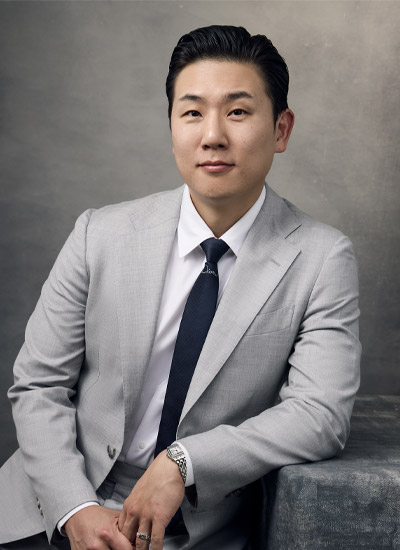
Meet Gene K. Lee MD, MPH
Board-Certified Plastic Surgeon
At LA MÔEM Plastic Surgery, Dr. Gene K. Lee combines advanced surgical training with a thoughtful, ethical approach to aesthetic care. Known for his natural-looking results and deep respect for each patient’s unique goals and cultural identity, Dr. Lee creates personalized treatment plans focused on safety, integrity, and long-term satisfaction. When you choose Dr. Lee, you’re choosing a surgeon who values your trust and is dedicated to helping you look and feel your best—authentically.






Beverly Hills Septoplasty – FAQs
How do I know if I have a deviated septum?
A deviated septum may cause persistent blockage on one or both sides of the nose, difficulty breathing through the nose, mouth breathing, or symptoms that become more noticeable during exercise or sleep. However, nasal obstruction can have several causes. An examination is necessary to determine whether your septum is actually contributing to the problem.
Can a deviated septum be fixed without surgery?
Medications may help reduce congestion caused by allergies or swelling inside the nose, but they cannot physically straighten a deviated septum. If your breathing difficulty is primarily caused by a significant structural deviation, septoplasty may be necessary to correct the underlying obstruction.
Does septoplasty help with snoring?
Septoplasty may improve snoring when restricted nasal airflow caused by a deviated septum is contributing to the problem. However, snoring can have several different causes, and septoplasty is not a treatment for every type of sleep-related breathing issue. Dr. Lee can help determine whether nasal obstruction is likely playing a role in your symptoms.
Is septoplasty painful?
Patients can expect some pressure, congestion, swelling, and discomfort during the early recovery period, but the experience is typically different from the sharp pain people sometimes expect from nasal surgery. Dr. Lee will provide postoperative instructions and appropriate medication to help keep you comfortable as you heal.
Will I have visible scars after septoplasty?
For many isolated septoplasty procedures, the necessary incisions are placed inside the nose, so there is typically no visible external scar. If septoplasty is combined with a more extensive nasal procedure, the incision pattern may be different. Dr. Lee will explain the planned approach during your consultation.
How long does septoplasty surgery take?
The length of surgery depends on the severity and location of the deviation and whether any additional nasal procedures are being performed. A relatively straightforward septoplasty may require less operative time than a complex septorhinoplasty involving both internal and external structural correction.
How long will my nose feel congested after septoplasty?
Congestion is expected immediately after surgery because the tissues inside the nose are swollen. Internal splints, when used, can also temporarily make breathing feel restricted. Nasal airflow generally improves as swelling decreases and the tissues continue to heal over the following weeks.
When can I return to work after septoplasty?
Many patients can return to non-strenuous work and light daily activities relatively early in recovery, although the exact timeline varies according to the extent of surgery and the physical demands of your job. Exercise, heavy lifting, and activities that could place pressure on the nose generally require a longer break.
Can septoplasty and rhinoplasty be performed at the same time?
Yes. When a patient has both a deviated septum affecting breathing and concerns about the external appearance or structure of the nose, Dr. Lee may recommend a combined septorhinoplasty. Addressing both issues during the same operation can allow the internal airway and external nasal framework to be treated as interconnected structures.
How long do septoplasty results last?
The structural correction made during septoplasty is intended to be long-lasting. However, nasal tissues can continue to change with aging, injury, scar formation, or other conditions. Protecting the nose during recovery and following Dr. Lee’s postoperative instructions can help support a stable result.